Doctor of Ministry

Knowing. Being. Doing.

Fulfill God’s call to transformational ministry with Richmont’s Doctor of Ministry degree.

Doctor of Ministry in Spiritual Formation and Leadership

Richmont’s Doctor of Ministry features five core classes, three concentration options, a capstone project, and onsite and online retreats. The program is focused on the two most integral dimensions of a minister’s career: Spiritual Formation and Leadership. Spiritual formation is the foundation upon which all Richmont programs are built, empowering ministers and counselors to impact churches, organizations, clients, and communities. 

Explore Doctor of Ministry Concentration Options Click Here

Cohort-based learning community built to foster Christ-likeness

32-33 credit hour program with a hybrid schedule crafted for the working student

Four on-site retreats in the Metro Atlanta area

Expert faculty committed to student success through rigorous theological, practical ministry projects, and engaging residency and online experiences

“Spiritual formation in the tradition of Jesus Christ is the process of transformation of the inmost dimension of the human being, the heart, which is the same as the spirit or will. It is being formed (really, transformed) in such a way that its natural expression comes to be the deeds of Christ done in the power of Christ.”
Dallas Willard
American philosopher

Core Classes

This course begins the Doctor of Ministry in Spiritual Formation and Leadership by rooting the field within the overarching metanarrative of the Bible. Students will learn to articulate a biblical theology of spiritual formation from the Torah, the Historical Books, the Prophets, the Poetic Literature, the Gospels, the New Testament Letters, and the Apocalyptic Books, respectively. The practical emphases of the course include preaching for personal and corporate transformation and programmatic discipleship / congregational formation.

This course is a survey of Christian theology’s most basic truth-claims by an examination of Reformation primary source texts which explicate the gospel of grace. Emphasis is placed on the spiritually formative significance of the doctrines of trinity, incarnation, and atonement. Special attention is paid to Reformed, Lutheran, and Anglican catechisms as well as modern theological debates (such as the New Perspective on Paul) that highlight various approaches to gospel preaching. Application is made from the Reformation gospel of grace to a spiritually formative approach to perennial questions of suffering, evil, and theodicy.

Psychological trauma is used as a special and urgent contemporary test-case to expedite this analysis. The problem and origin of evil is explored, and the merits of various approaches to theodicy are assessed according to basic criteria of the Reformation gospel, such as the goodness and power of God in Jesus Christ, the goodness and telos of the created order, and the person and work of Jesus Christ against the absurd forces of evil. Pastoral implications are drawn for spiritual formative dispositions toward the aftermath of violence in light of the gospel of the triune God of grace.  

This course is an introduction to basic counseling methods with emphasis on the helping skills of attending, responding, and personalizing as presented in the Carkhuff model. Students will develop empathy and self-awareness skills essential to the helping relationship. There will be opportunities provided for students to experience themselves in therapeutic relationships with clients of different ages, gender, and/or backgrounds. 

This course trains students in the practical integration of spirituality into counseling.  It examines the life impact of religion and spirituality and explores the crucial concepts of spiritual formation, soul care, and the Biblical basis for Christian counseling.  It tackles the issues arising from several models of integrative counseling, surveys a variety of tools used, and highlights the crucial importance of the spiritual life of the counselor and counselee.

This explores how theology can be trauma-informed. It covers concepts of God-image, redemptive violence, power-and-control, and constructive method in theology. It reviews the history of trauma studies and trauma theory. It emphasizes constructive explorations for cultivating trauma-safe spiritual communities. 

Retreats

The Doctor of Ministry program is built around four onsite retreats over a two-year span at the Wings Center outside of Atlanta. The Wings Center’s Christ-centered environment, peaceful surroundings and innovative services are designed to strengthen relationships, expand knowledge, and refresh the soul.

Capstone Ministry Project

Two research courses are strategically scheduled in the first two years of the program to empower students to succeed in their capstone ministry project. The final day of each onsite intensive is dedicated to ministry project preparation.

This course begins to lay the foundations for the Capstone Ministry Project by preparing students to execute research, writing, and logic at the doctoral level.  Emphasis is placed on selecting quality sources, research methodology, collating research for writing success, fluency with Turabian citation, and writing mechanics.  This is an online course in the standard School of Ministry 8-week format. 

This course engages students in constructing the prescribed sections of the Capstone Ministry Project Proposal. This includes selecting the project type, a list of research sources, and chapter outlines/descriptions. The goal is for the student to work with their Project Advisor in order to gain official proposal approval from the Director of the Doctor of Ministry program and the Dean of the School of Ministry. This is an online course in the standard School of Ministry 8-week format.

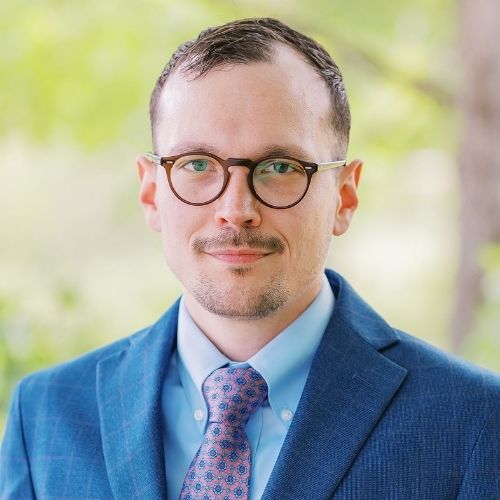
“I could not be more thrilled serving as the Director of the Doctor of Ministry Program at Richmont Graduate University. This degree signifies our ongoing commitment to Christ-centered spiritual formation which is at the heart of our institutional mission and identity. For too long, the disciplines of spiritual formation and theology have been set at odds with one another. In our Doctor of Ministry Program, we are experiencing the exhilarating truth that they are ancient friends in the ministry of holistic transformation.”
Dr. Preston Hill
Director of the Doctor of Ministry Program

Concentration Options

Pastoral counseling

Train in the practical integration of spirituality and counseling with emphasis on the relationships and spiritual life of both counselor and client.

An introduction to basic counseling methods with emphasis on the helping skills of attending, responding, and personalizing as presented in the Carkhuff model. Develops empathy and self-awareness skills essential to the helping relationship. Opportunity provided for students to experience themselves in therapeutic relationships with clients of different ages, gender, and/or backgrounds.

This course trains students in the practical integration of spirituality into counseling.  It examines the life impact of religion and spirituality and explores the crucial concepts of spiritual formation, soul care, and the Biblical basis for Christian counseling.  It tackles the issues arising from several models of integrative counseling and surveys a variety of tools used.  The crucial importance of the spiritual life of the counselor and understanding the spirituality of the counselee are highlighted. 

Examination of theodicy as it relates to life of the counselor and its application to counseling, with special attention given to trauma and recovery. Impersonal aspects of theodicy and the application of a theology of hope are emphasized. To live as a human being is to be confronted with the vexing problem of evil and human suffering. Evil constitutes a major philosophical and theological problem for theists. Philosophically and biblically explores the nature of the problem of evil and examines ways of coping with evil and suffering in human experience and in Christian life. Treats the theological and philosophic effects of crises, disasters, and other trauma-causing events on persons of all ages, as embodied in the theological/philosophical problem of theodicy.

Trauma, Theology and Ministry

Explore the intersection between theology and trauma, including the history of trauma, biblical and clinical literature, and modern, realistic counseling applications. Richmont’s Trauma, Theology, and Ministry programs are unique and interdisciplinary courses of study bringing students into the best of trauma-informed theology and ministry practices

This course covers the intersection between theology and trauma, in particular exploring how theology can be trauma-informed. Concepts of God-image, redemptive violence, power-and-control, and constructive method in theology are all explored. The history of trauma studies and trauma theory are covered. Constructive explorations for cultivating trauma-safe spiritual communities are emphasized.

This course explores the ways in which the scriptures and history of Christianity offer examples of both healing and resiliency alongside legacies of traumatization. Students will gain an appreciation for a realistic outlook on theological trauma and varieties of spiritual/religious experience, with reference to current hermeneutical, historical, and clinical literature.

Examination of theodicy as it relates to life of the counselor and its application to counseling, with special attention given to trauma and recovery. Impersonal aspects of theodicy and the application of a theology of hope are emphasized. To live as a human being is to be confronted with the vexing problem of evil and human suffering. Evil constitutes a major philosophical and theological problem for theists. Philosophically and biblically explores the nature of the problem of evil and examines ways of coping with evil and suffering in human experience and in Christian life. Treats the theological and philosophic effects of crises, disasters, and other trauma-causing events on persons of all ages, as embodied in the theological/philosophical problem of theodicy.

Maxwell Leadership Concentration

This concentration equips students with essential leadership communication, coaching, and facilitation skills applicable across organizational, nonprofit, and professional settings. Students build a strong foundation in public speaking, developing the ability to communicate with clarity, confidence, and influence to diverse audiences. The concentration also emphasizes leadership coaching practices that cultivate goal alignment, active listening, ethical engagement, and sustainable personal and professional growth. Through collaborative leadership models, students learn to plan, facilitate, and guide structured group learning experiences that foster accountability and development. Grounded in research-based frameworks and applied practice, the concentration integrates reflection with real-world leadership application. Graduates are prepared to lead, coach, and communicate effectively in a wide range of leadership environments.

This course introduces students to foundational principles of leadership development through the practice of facilitation, coaching, and collaborative learning. Emphasizing the “Mastermind” model, students engage leadership texts and training resources to cultivate skills in planning, marketing, and guiding transformational learning experiences within ministry contexts. The course integrates reflective reading, interactive dialogue, and applied leadership practice to foster theological reflection, personal growth, and contextual ministry application. By the conclusion of the course, students demonstrate the ability to lead others through structured leadership conversations that promote growth, accountability, and meaningful change.

This course introduces the foundational principles and practices of leadership coaching within a Christian ministry context. Students develop skills in goal setting, effective listening, and building transformational coaching relationships using research-based frameworks. Through applied assignments, including a goal-setting project and case study analysis, students learn to guide individuals toward meaningful personal and ministry growth. The course culminates in demonstrating proficiency in coaching strategies, tools, and ethical practices.

This course introduces the foundational principles of effective public speaking within a leadership and ministry context. Students develop skills in speech preparation, audience connection, and communication delivery through research-based speaking frameworks and practical application. Emphasis is placed on communicating with clarity, influence, and purpose while integrating core principles from leadership communication training. The course culminates in demonstrating proficiency in essential speaking strategies and practices.

View Program Schedules

FALL 2027
  • Spiritual Formation and the Gospel (September 13-17)
  • Relating Faith & Spirituality in Counseling (online)
FALL 2026
  • Spiritual Formation and Scripture (Aug 31-Sept 4)
  • Helping Relationships (online)
SPRING 2027
  • Spiritual Formation and Culture (Feb 1-5)
  • Foundations of Research & Writing (online)
SUMMER 2027
Spiritual Formation and Theology (online) 
 
FALL 2027
  • Spiritual Formation and the Gospel (September 13-17)
  • Relating Faith & Spirituality in Counseling (online)
FALL 2025
  • Spiritual Formation and Scripture (Aug 18-22)
  • Helping Relationships (online)
SPRING 2026
  • Spiritual Formation and Culture (Feb 9-13)
  • Foundations of Research & Writing (online)
SUMMER 2026
  • Spiritual Formation and Theology (online)
FALL 2026
  • Spiritual Formation and the Gospel (Sep 14-18)
  • Relating Faith & Spirituality in Counseling (online)
SPRING 2027
  • Spiritual Formation and Mission (Jan 18-22)
  • Theodicy and Trauma Counseling (3 credits; online)
SUMMER 2027
  • Ministry Project Proposal (online)
FALL-SPRING 2027-28
  • Ministry Capstone Project (online)

Partnerships

Advance your ministry career with Richmont.

Doctor of Ministry Faculty

Richmont Faculty
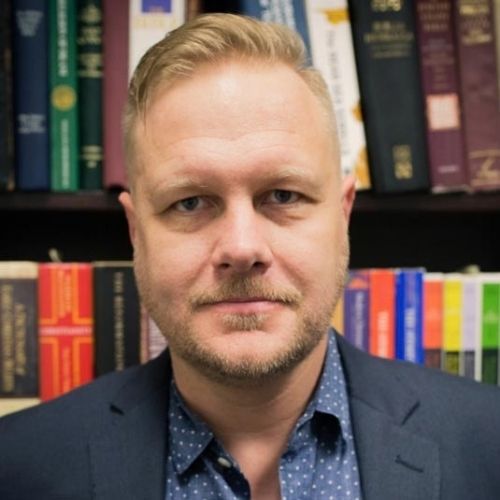
Chris Green, Ph.D, D.Min

Steve Hall, D.Min.

Preston Hill, Ph.D.

Director of Doctor of Ministry Program

Gary W. Moon, Ph.D.

Joshua Rice, Ph.D.

Provost; Dean of the School of Ministry

Samuel Youngs, Ph.D.

Guest Lecturers

Ernest Gray, Jr., Ph.D.

David McNutt, Ph.D.

Jennifer Powell McNutt, Ph.D.

Barbara Peacock, D.Min.

Amy Peeler, Ph.D.

Andrew Schmutzer, Ph.D.